

Prepare a clear, accurate lorry receipt quickly without skipping important checks. Learn how Indian transporters can reduce repeated entry and keep dispatch and billing records aligned.
Creating an LR should take less time than explaining a delayed dispatch to a customer. Yet many transport offices still type the same consignor, consignee, goods and vehicle details into a paper format or an old spreadsheet for every load. With the right process and LR software in India, a complete lorry receipt can be prepared in under a minute once the booking details are ready.
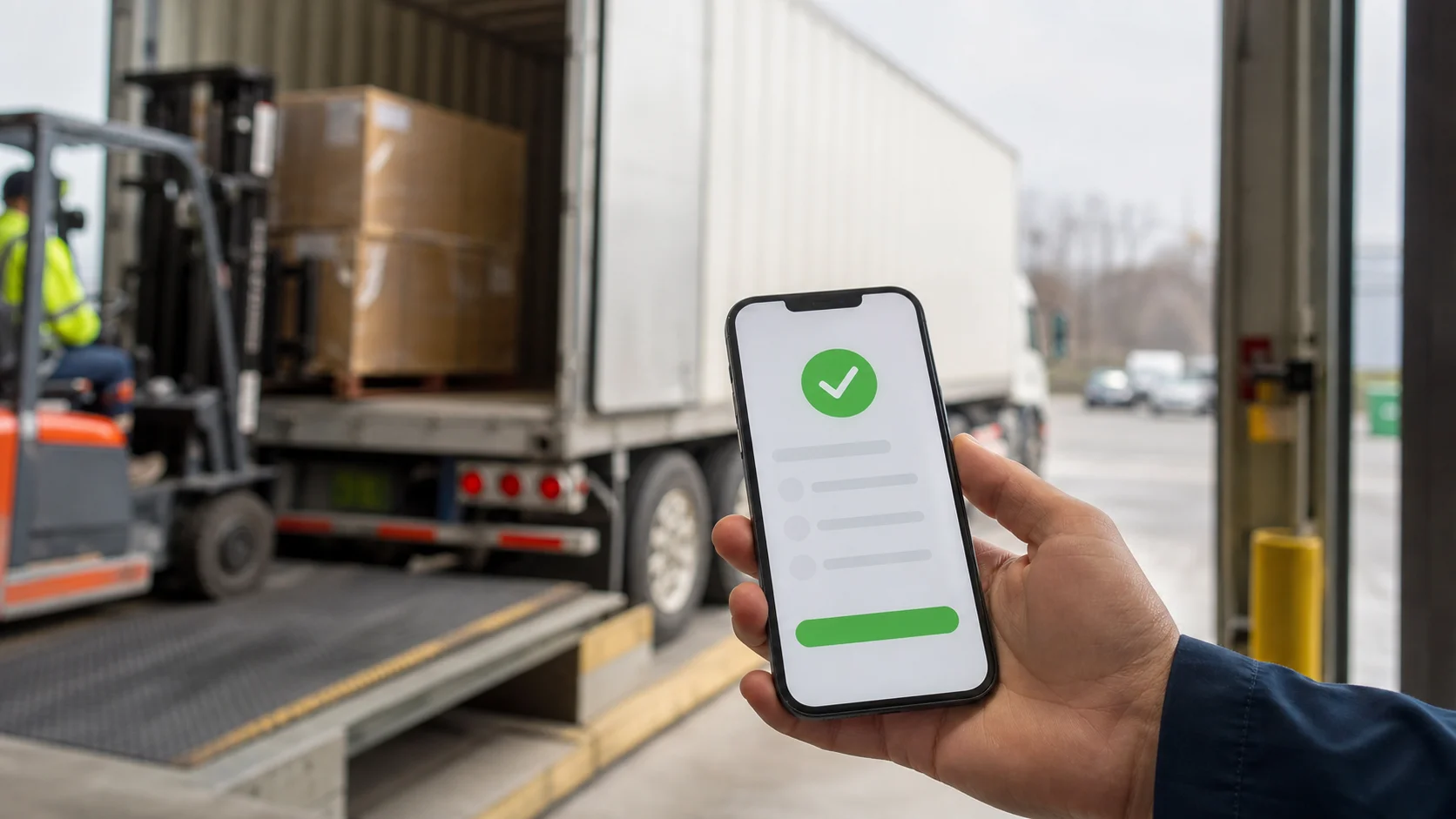
That matters at busy points such as Bhiwandi, where a truck may be waiting at a warehouse gate while staff confirm packages, freight and delivery details. A slow or incomplete LR can hold up the vehicle, create disputes later, and leave accounts chasing missing information. The goal is not to rush through checks. It is to enter information once, reuse verified records, and make a quick review part of dispatch.
When a network handles many city pairs, the office-to-office handoff matters as much as the route itself. See how Mumbai transporters can keep information visible across dispatch and accounts.
What an LR records, and why accuracy matters
A lorry receipt, often called a bilty or goods receipt, is the transporter's record that a consignment has been accepted for carriage. Its format differs between companies and lanes, but it commonly captures the booking parties, origin and destination, goods description, package count, freight terms and vehicle or shipment references. It supports communication between the booking office, driver, consignee and accounts team.
Consider a load of machine parts booked from a supplier in a Surat GIDC area to a buyer near Pune. If the LR says 42 packages but the loading note says forty-two cartons plus two pallets, the receiving team may question the count. If freight is marked payable at destination when the agreed term was paid at booking, the delivery and billing conversation becomes harder. Small fields carry operational consequences.
How LR software in India helps prepare a receipt quickly
Speed comes from reducing repeated typing, not from skipping details. A digital workflow can keep customer and branch records available, prefill frequently used information, and create a numbered document after dispatch staff confirm the shipment. This is useful for operators handling recurring customers, regular routes and multiple branches. Teams comparing systems can review transport management software options in India and check which steps fit their actual booking process.
If you are standardising procedures across a regional fleet, review the needs of Pune transport businesses as a practical comparison for branch and route workflows.
Prepare an LR in under a minute: a practical sequence
- Select the booking and branch. Start from a confirmed consignment and the office responsible for it. This keeps numbering and reporting tied to the right location.
- Choose the parties. Select the consignor and consignee from saved customer records. Confirm the branch, address and contact person, especially when a company has several delivery locations.
- Enter the goods and package count. Use a description the receiving team can recognise. Record the package unit and count clearly; cartons, bags, drums and pallets are not interchangeable.
- Confirm route, vehicle and dates. Check loading location, delivery destination, dispatch date and the assigned truck. If the vehicle changes at the last minute, update the record before the document is shared.
- Review freight and payment terms. Confirm whether charges are paid, payable at destination, or handled under the arrangement agreed with the customer. Do not guess from the last trip.
- Preview, generate and share. Scan the key fields, create the LR, then send or print the copy needed by the driver and parties. Keep the same LR reference in dispatch and billing records.
A 10-second check before you issue it
Read the names, destination, package count, goods description and freight terms once from top to bottom. This is faster than correcting a wrong LR after a truck has left the loading point. Where goods are sensitive, high-value or subject to customer-specific instructions, use the required description and handling notes instead of a generic label.
Common LR mistakes that waste time later
- Duplicate customer names: Two saved entries for the same party can send invoices or delivery updates to the wrong address. Maintain one verified record per billing or delivery location.
- Unclear package units: “50” without stating bags, boxes or pieces does not help the receiver reconcile a load.
- Wrong freight basis: A per-tonne quote, minimum charge or agreed lump sum should not be replaced with a remembered rate from another route.
- Late vehicle substitution: The LR and dispatch board should agree on the vehicle actually sent. Record a change rather than relying on a phone call that no one else can see.
- Unlinked paperwork: Keep the LR reference connected to the booking, delivery evidence and invoice so the accounts team does not have to search several registers.
Make branch-level LR work consistent
For a transporter operating in Mumbai and Ahmedabad, a common process helps the customer receive the same readable document from either office. Branch teams still need room for local operating details, but numbering, mandatory checks and party records should be controlled. A system with booking, dispatch and branch management features can help offices share a consistent workflow. Transporters can also explore how operations are supported for Mumbai routes and Ahmedabad businesses.
How FreightSynQ fits into the workflow
FreightSynQ is built for transport offices that want booking, dispatch and digital LR creation in one place. Reusing customer and operational records can reduce repetitive entry, while keeping the document connected to the trip makes it easier for staff to follow through on delivery and billing. Review FreightSynQ LR software and the available plans to see whether it fits your volume and branch setup. You can also try FreightSynQ and test the workflow with a real booking.
Keep the document fast and dependable
An LR in under a minute is realistic when customer records are clean, the booking is confirmed and staff follow the same short review. Start by standardising the fields your team checks on every load. Then measure how often a receipt needs correction and why. A quicker LR is useful; a correct LR that dispatch, customer service and accounts can all trust is what saves time across the trip.
Tags
Share this article
FreightSynQ TMS
Manage your fleet, billing & LRs — all in one place
- Digital LR in 30 seconds
- FASTag live tracking
- GST-ready invoicing
- Fleet & driver control
Related Articles
Delhi-NCR Truck Restrictions 2026: What Transporters Must Check
Delhi’s revised GRAP curbs and the 31 October end of the BS-IV transition create two separate dispatch checks for goods vehicles. Here is how transporters can plan routes, verify vehicle status and reduce last-minute disruption.

Electric Truck Corridors in India: A 2026 Guide for Transporters
India’s electric freight market is moving from individual pilots toward corridor-based planning. Here is what the 2026 shift means for Indian transporters, and how to assess a route before committing trucks or capital.

How to Reduce Billing Errors in Your Transport Business
Transport billing errors often start with a missing trip detail, a rate mismatch or paperwork that never reaches accounts. Use these practical checks to invoice accurately and collect with less rework.
Ready to Transform Your Transport Business?
Start your journey with FreightSynQ today and implement the strategies you've read about
No credit card required • 7-day free trial